Your training solutions
in one place
Poppleston Allen Training provides nationally accredited courses and bespoke consultancy to individuals, local authorities/police and companies associated with the licensed and leisure industry.
Training is a vital part of working in the licensed hospitality sector.
And since 2004, we have helped 1000s of people gain the qualifications and training they need to work in the licensed sector. From people working behind bars or in a retail shops through to businesses that run online delivery services.
Plus, we have trained police forces and local authorities. So, you really couldn’t be in safer hands
Personal alcohol licence
The most popular course we offer is the BIIAB Level 2 Award for Personal Licence Holders (APLH). This is the qualification that allows you to authorise the sale of alcohol in any business that holds a premises licence. Or put another way, it means that you can sell alcohol (for example work behind a bar) and you can authorise others working with you to also sell alcohol.
Plus, to make it easier, you now take this online.
Other training
We have prepared bespoke training programmes for operators of single premises to international corporations operating multiple premises.
Training can be tailored to your specific needs whether an introduction to the licensing and/or gambling regime or more detailed support for area managers or individuals occupying qualifying positions under an Operating Licence.


Our popular courses
- Licensing
BIIAB Level 2 Award for Personal Licence Holders (APLH)
The BIIAB Level 2 Award for Personal Licence Holders (APLH) is a nationally recognised qualification designed for anyone authorising the…
- Licensing
- Local Authority / Police Training
BIIAB Level 2 Award For Licensing Practitioners (Alcohol) (ALPA)
Poppleston Allen are one of the few training organisations to have been approved to offer the BII course for Licensing…
- Licensing
- Local Authority / Police Training
Licensing Act 2003 Training for Licensing Committee Members
Training sessions can be tailored to the needs of either experienced councillors or those who are new to the licensing…
In conjunction with the BII, we have created an exam compiled from past paper questions.
Take our mock exam for APLH qualification
Testimonials
AGWL Gambling Legislation – “An interesting and enjoyable course considering the topic. Learnt a couple of very valuable information. Professional and well presented” – Adrian Young, Park Holidays – New Beach
ALPA Licensing Practitioners (Alcohol) – “Informative course, well delivered by Jonathan Smith” – Daniel Gee, Cheshire Police
APLH Personal Licence course – “Comfortable and friendly. I did feel that the course was clear and I was able to answer most questions correctly” – Susan Marong
APLH Personal Licence course – “Great deliverance of information in a light and engaging manner” – Scott Leak, Pizza Express
APLH Personal Licence course – “Well structured course. Tutor made subject interesting, used plenty of examples and encouraged participation” – Simon Riley, Quaggy Development Trust
APLH Personal Licence course – “Great course which pretty much answered most of the queries I had and feel confident about my duties as a personal licence holder” – Khovin Jhowry, Zizzi
ALPG course – “Nick was extremely knowledgeable and gave relevant examples. Very Good” – Clare Meakin, East Staffordshire Borough Council
SCPLH Scottish Personal Licence course – “Rosaleen was very clear and answered question efficiently”. Courtney-Leigh McShane.
SCPLH Scottish Personal Licence course – “Rosaleen was very friendly and approachable. The content was presented clearly. Overall experience was great”. – Klaudia Wegrzyn.
Committee Training – “The training on Thursday was really fantastic – several members of staff said it was the best licensing training they’d ever received! Everyone was very positive and the Councillors were engaged throughout. It was a brilliant delivery, Natasha was very knowledgeable and allowed plenty of time for Q&A and had lots of examples and case studies which made it interesting for all.” – Briony Williamson – Senior Licensing Office, Folkestone & Hythe District Council
APLH Personal Licence course – “Very tough material to present. Handled fantastically well! Pace, explanations and delivery great.” – Lee Moriarty, House of Fraser
ALPH Personal Licence course – “Fantastic tutor, very clear and knowledgeable. Great interaction. Would recommend.” – Anna Aitken, House of Fraser
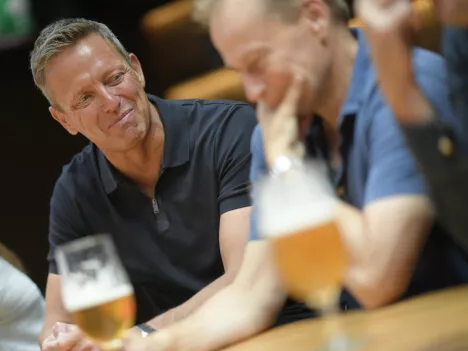
Our experienced trainers
Poppleston Allen is able to draw on a wealth of knowledge and experience across the breadth of the leisure industry, enabling the delivery not only of accredited courses but also bespoke courses and training requirements.
Our trainers are professional, friendly and knowledgeable and are focused on the delivery of high quality training in order to meet the expectations of our clients and candidates.
Flexible training venues
We are able to attend your premises to deliver training to you and your colleagues. We would require a minimum number of candidates to attend the training. We would then liaise with you to ensure the training room meets the standards required by the relevant awarding body should the training require an examination.
Frequently asked questions
-
What is the APLH?
Award for Personal Licence Holders (this was previously know as the NCPLH – National Certificate for Personal Licence Holders).
-
What kind of exam is the APLH? Is it written or practical?
The APLH exam is a written exam. You have 40 minutes to complete a multiple choice question paper consisting of 40 questions. In order to pass the exam, you will need to correctly answer 28 out of 40 questions
-
How long does the course take?
If you are undertaking a face-to-face course, the course normally starts at 10am and is finished by 4pm. If you opt for an online version of the APLH course, this allows you more flexibility. It enables you to study the modules at your own pace, but you must have completed all modules prior to your scheduled exam date.
-
Can you come to my premises to deliver the course?
Yes, we are able to attend your premises to deliver training to you and your colleagues. We would require a minimum number of candidates to attend the training. We would then liaise with you to ensure the training room meets the standards required by the relevant awarding body should the training require an examination.
-
How much does the course cost?
The cost of a APLH Personal Licence course is £150 + vat.
We are able to undertake group and corporate bookings. Please contact us to discuss your specific requirements.